Contents
28 Oct 2025 • 13:52

A strong financial reputation is one of the most valuable assets you can have. It affects your ability to borrow, negotiate interest rates, and access opportunities for investment or business growth. Protecting this reputation requires vigilance, discipline, and consistent financial habits.
Your financial reputation is largely determined by your credit history and credit score. Lenders, landlords, and even some employers often use this information to assess trustworthiness and reliability.
A positive financial reputation signals responsibility, while a poor reputation can limit opportunities. Missed payments, high credit utilization, or errors on your credit report can damage your standing.
Understanding how your actions influence your reputation is the first step in protecting it.
Regularly checking your credit report is essential for safeguarding your financial reputation. Credit bureaus provide detailed reports that show your borrowing history, account balances, and repayment behavior.
Monitoring helps you detect errors, such as incorrect balances or accounts you did not open. Catching mistakes early allows you to dispute them and prevent unnecessary damage to your credit score.
You can monitor your credit through:
Credit bureaus or reporting agencies
Banks or financial institutions that provide updates
Online tools that track credit activity
Frequent monitoring not only protects your reputation but also keeps you informed and in control of your financial situation.
Fraud and identity theft can severely damage your financial reputation. Criminals can open accounts in your name, make unauthorized purchases, or take out loans that appear on your credit report.
To protect yourself, practice the following:
Keep personal information secure and avoid sharing sensitive data unnecessarily
Use strong passwords and two-factor authentication for financial accounts
Monitor bank statements and credit card activity regularly
Freeze your credit if you suspect fraud or unusual activity
Being proactive reduces the risk of unauthorized activity and helps maintain trust with lenders.
Your reputation is strengthened by consistent financial behavior. Paying bills and loans on time, keeping credit card balances low, and avoiding excessive borrowing demonstrates reliability.
Maintaining long-standing accounts and limiting frequent new applications also contributes to a positive credit history. Lenders look for patterns of responsible borrowing over time.
Even small habits, like automating payments or reviewing monthly statements, can prevent mistakes that might harm your reputation. Consistency builds trust and ensures that you are seen as a dependable borrower.
Even with careful habits, challenges can arise. Missed payments, unexpected financial setbacks, or errors on your credit report can occur. How you respond determines whether your reputation is preserved or damaged.
Take immediate action to correct errors or communicate with lenders if you face difficulty. Many creditors are willing to work with borrowers who demonstrate responsibility and transparency.
Protecting your financial reputation also means maintaining a long-term perspective. Avoid shortcuts or risky financial behavior that could create temporary gain but long-term damage. By staying vigilant, disciplined, and proactive, you ensure that your credit report remains accurate and your trustworthiness intact.
Protecting your financial reputation is about more than credit scores. It involves consistent habits, monitoring, prevention, and proactive management of challenges. A strong reputation opens doors to better loans, business opportunities, and long-term financial growth.
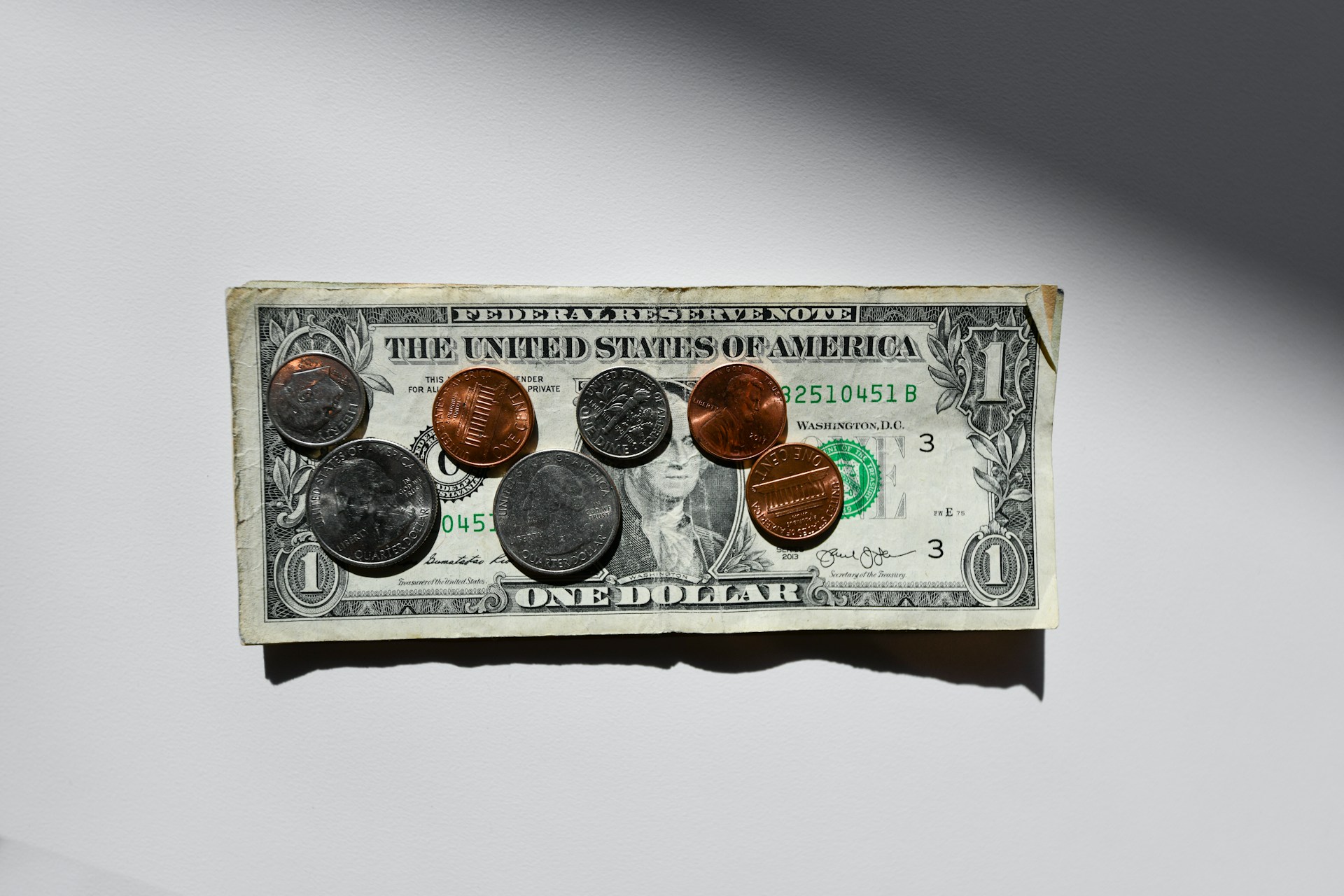
Image by Alexander Grey on Unsplash